The Past Market Home

Category

Business & Labor

30 articles


The Quarterly Review That Ate the Empire: What Qin Dynasty Bureaucracy Tells Us About Modern Metrics Obsession

The Quarterly Review That Ate the Empire: What Qin Dynasty Bureaucracy Tells Us About Modern Metrics Obsession

The Qin Dynasty unified China in 221 BC using the most sophisticated administrative system the ancient world had ever seen — then collapsed in fifteen years. The cause wasn't military defeat or bad luck. It was a performance measurement framework so focused on short-term output that it systematically destroyed the institutional knowledge holding everything together. Sound familiar?

The Warning Signs Were Always There. Nobody Wanted to Read Them.

The Warning Signs Were Always There. Nobody Wanted to Read Them.

Every major historical collapse left a paper trail. Currency debasement, administrative overreach, supply chain fragility, elite flight — the data was there before the fall, every single time. The problem was never a lack of information. It was a lack of anyone willing to act on it.

How Viking Warlords Turned Generous Exits Into Their Best Recruiting Tool

How Viking Warlords Turned Generous Exits Into Their Best Recruiting Tool

Viking chieftains didn't hand out silver and swords at parting because they were generous. They did it because everyone was watching, and everyone was calculating. A thousand years of Norse gift economy data makes a fairly damning case against how American companies handle exits today.

You've Always Owned Your Skills — Except When You Haven't

You've Always Owned Your Skills — Except When You Haven't

Non-compete clauses feel like a modern HR headache, but medieval craft guilds were locking workers into the same trap six hundred years ago. The FTC is fighting a battle that's been running since the first journeyman tried to leave his master's shop. History says this was never really about protecting secrets.

When the Whole System Snapped: The Bronze Age Collapse as Supply Chain Autopsy

When the Whole System Snapped: The Bronze Age Collapse as Supply Chain Autopsy

Around 1200 BC, nearly every major civilization in the Eastern Mediterranean vanished within a single human lifetime. Historians have spent decades arguing about why. The supply chain answer is the one that should keep modern logistics executives up at night. We built the same system. We have the same vulnerabilities.

Banned for Life: How Medieval Guilds Built the First Nationwide No-Hire List

Banned for Life: How Medieval Guilds Built the First Nationwide No-Hire List

Long before HR departments and legal teams started drafting non-compete clauses, medieval trade guilds had already figured out how to end a craftsman's career across an entire continent. The system was brutal, surprisingly sophisticated, and ultimately self-defeating — which should sound familiar to anyone following the FTC's recent non-compete battles.

While Rome Burned, Byzantium Built the Ultimate Survival Machine

While Rome Burned, Byzantium Built the Ultimate Survival Machine

For over a thousand years, the Byzantine Empire weathered every crisis that destroyed its competitors—plagues, invasions, currency collapses, and civil wars. Their secret wasn't luck or location, but a systematic approach to institutional resilience that modern organizations are only beginning to understand.

How to Spin a Coup: Julius Caesar's Guide to Rebranding Tyranny

How to Spin a Coup: Julius Caesar's Guide to Rebranding Tyranny

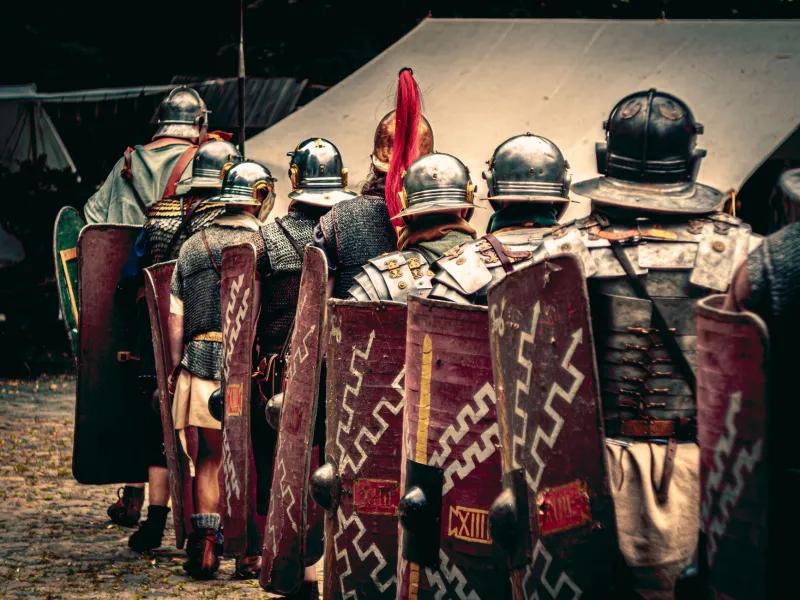
Caesar didn't just cross the Rubicon — he launched history's most successful rebranding campaign. His techniques for turning a military coup into a populist rescue mission are still used by every executive and politician who needs to change what their name means.

How Medieval Bankers Invented the Leveraged Buyout—Then Got Crushed by It

How Medieval Bankers Invented the Leveraged Buyout—Then Got Crushed by It

The Bardi and Peruzzi families of 14th-century Florence essentially owned entire kingdoms through strategic debt arrangements, pioneering techniques that modern private equity firms would recognize instantly. Their spectacular collapse when Edward III defaulted offers a cautionary tale about the risks of becoming too big to fail.

When Trade Secrets Actually Stayed Secret: China's 500-Year Silk Monopoly

When Trade Secrets Actually Stayed Secret: China's 500-Year Silk Monopoly

The Han Dynasty turned silk production into history's most successful trade secret operation, maintaining a global monopoly for five centuries through a combination of legal penalties, cultural mystique, and strategic geographic isolation. Modern companies struggling to protect their IP might learn something from an empire that made smuggling silkworm eggs punishable by death.

Secret Sauce, Ancient Style: How Mesopotamian Metalworkers Built the First IP Empire

Secret Sauce, Ancient Style: How Mesopotamian Metalworkers Built the First IP Empire

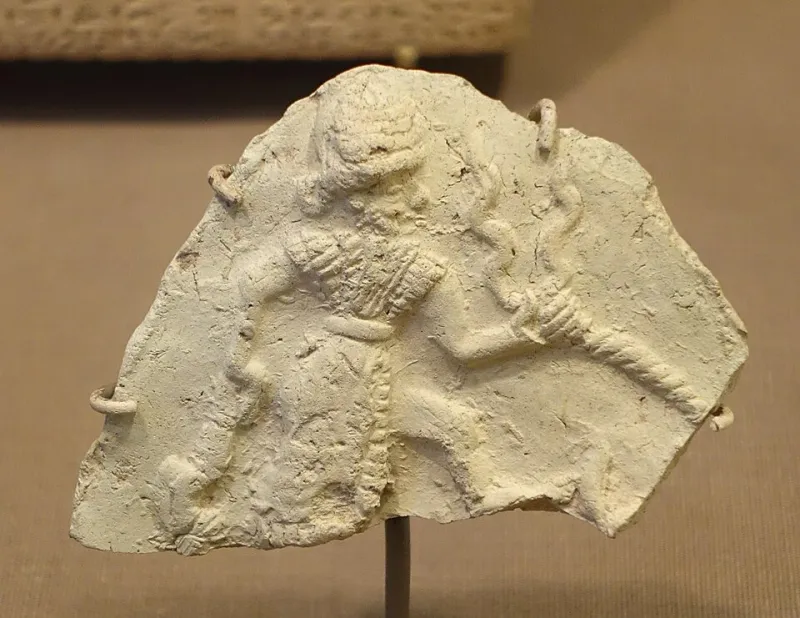
Four thousand years before Steve Jobs obsessed over iPhone prototypes, Bronze Age craftsmen were signing clay tablet NDAs to protect their smelting techniques. The knowledge economy didn't start in Silicon Valley—it started the moment someone figured out how to turn copper into bronze and decided not to tell their neighbors.

How Florence's Medici Bank Invented the Playbook Every Tech Giant Uses Today

How Florence's Medici Bank Invented the Playbook Every Tech Giant Uses Today

Five centuries before Amazon built its marketplace moat, the Medici family perfected the art of making competitors irrelevant through strategic debt, exclusive partnerships, and switching costs that would make a SaaS executive weep with envy. Their banking empire wasn't just about money — it was about control.